
| |
|
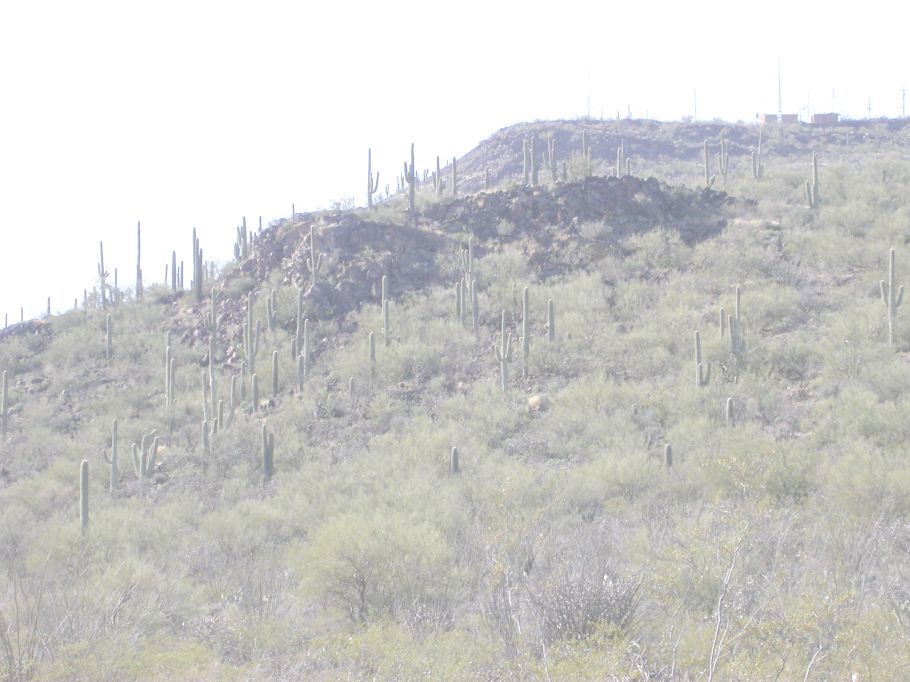
A unique combination of ecology and culture, Tumamoc is an 870-acre ecological reservation operated by the College of Science in the heart of Tucson, Arizona. Its innovative, sustained, long-term environmental studies have made it a US National Historical Landmark. A 2300-year-old ruined village sits atop Tumamoc Hill and the rich cultural context of two millennia of human society lie at its feet. Tumamoc’s Desert Laboratory (1903) gave birth to the sciences of physiological ecology and arid land studies. Its permanent study plots include the world's nine oldest (1905). It is the world’s first & oldest restoration ecology project (1906). The Lab first studied the reestablishment of natural conditions in its reservation. Today, it tracks and models dozens of plant species; the record of their lives provides a supersensitive biological monitor of climate change. Tumamoc's Alliance for Reconciliation Ecology develops the science and social capital that will a build a future as green as the past. The problem: mass biodiversity extinction. Tumamoc’s research is learning how to engineer human landscapes in which people and their everyday activities coexist with diverse wild species. | |